Skip to content
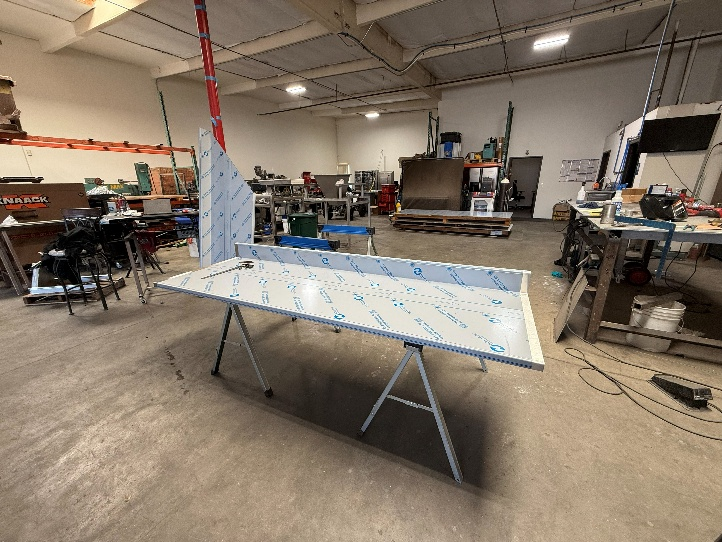
Today, we’re visiting one of our customers in Ontario, a growing sheet metal fabrication shop specializing in stainless steel design for restaurant equipment. Like many fabrication businesses in the United States, the company was facing increasing pressure to deliver faster turnaround times while maintaining consistent quality and controlling production costs. For years, they relied on waterjet cutting as their primary processing method. While waterjet offered flexibility, it also created limitations: slower cutting speeds, longer production cycles, and occasional concerns with corrosion-related effects on stainless steel components.
One of the most noticeable challenges was efficiency. During our visit, the team shared that a part now completed in approximately 30 minutes using a fiber laser cutting machine previously required several hours with waterjet cutting. This gap made it difficult to scale production or respond quickly to customer demand. As orders increased, it became clear that the existing process could no longer support the shop’s growth.
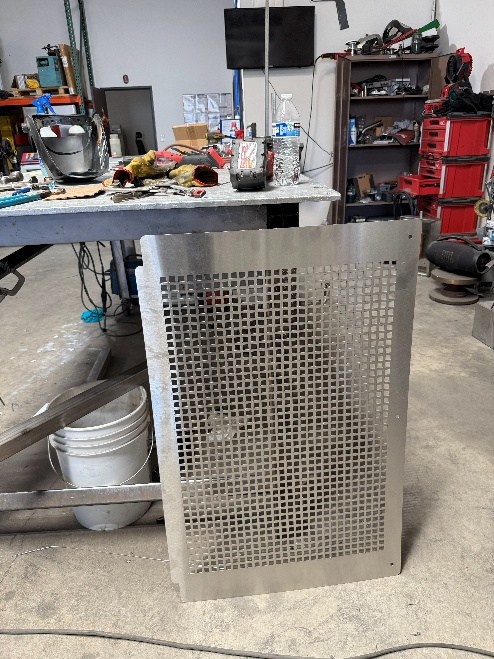
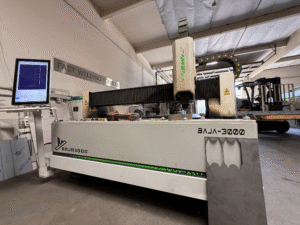
To address these challenges, the company upgraded to a Baja-3000 fiber laser cutting machine. However, the success of this transition was not only about the equipment itself. Our team provided onsite installation and operator training, along with a customized parameter library specifically tailored to the shop’s materials and production workflow. This meant operators could achieve consistent, high-quality results without complex adjustments, regardless of experience level. With simplified operation and optimized settings, setup time was reduced and production became more predictable across different shifts.
After more than a year of operation, the improvements are both measurable and sustainable. Production speed increased by approximately 30–50%, allowing the shop to process more jobs within the same timeframe and significantly reduce lead times. At the same time, improved cutting precision helped reduce material waste by 5–10%, directly impacting profitability in a market where margins are often tight. Perhaps most importantly, the machine has been running continuously for over a year without any major issues or unplanned downtime, providing the reliability needed for daily production.
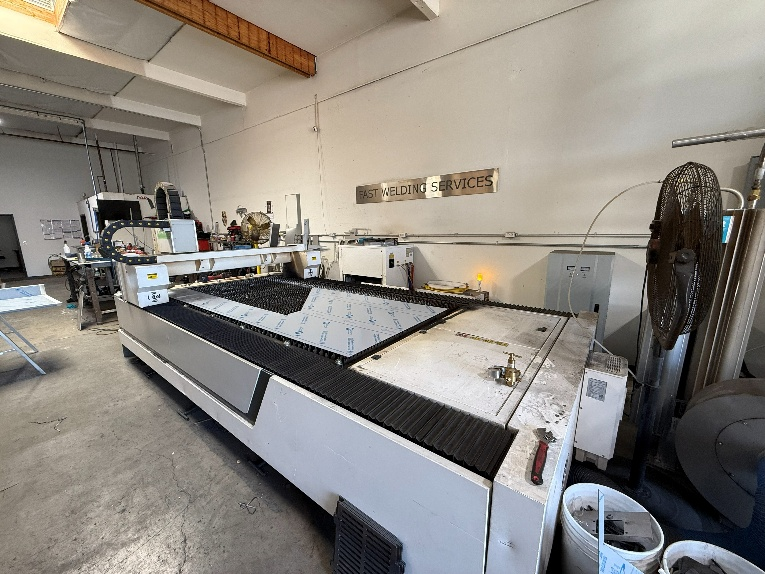
From a business perspective, the impact is even more significant. With faster throughput and improved efficiency, the company was able to recover its investment quickly, with the machine effectively paying for itself within months of operation depending on production volume. Walking through the shop today, the difference is clear — production flows more smoothly, operators work with greater confidence, and the business is better positioned to take on new opportunities.
This case highlights a broader trend in modern metal fabrication. While waterjet cutting remains useful for certain applications, fiber laser cutting offers clear advantages for stainless steel processing, particularly in thin to medium thickness ranges. Faster cutting speeds, cleaner edges, reduced finishing requirements, and consistent performance make it a more scalable solution for growing fabrication businesses.
Another key factor behind this success is local support. The customer benefits from fast response times, onsite technical assistance, and immediate access to consumable parts when needed. In production environments where downtime can cost $500–$1,500 per hour, having a reliable local service team plays a critical role in maintaining productivity and avoiding delays.
This visit to Ontario demonstrates that upgrading to fiber laser technology is not just a technical improvement, it is a strategic decision that directly impacts efficiency, cost control, and long-term growth. By investing in the right equipment and support system, this shop has transformed its production capabilities and positioned itself for continued expansion in a competitive market.