Skip to content
What Is Laser Welding (And Why Everyone’s Talking About It)
Let’s be honest — choosing the wrong welding method can turn a profitable project into a costly headache.
I’ve been in the metal fabrication business for over a decade, and I’ve seen countless shops struggle with this decision. Laser welding, TIG, and MIG each have their sweet spots, but picking the wrong one for your specific job means wasted time, rejected parts, and frustrated customers.
In this guide, I’ll break down exactly when to use each method — no fluff, just real-world advice based on what actually works on the shop floor.
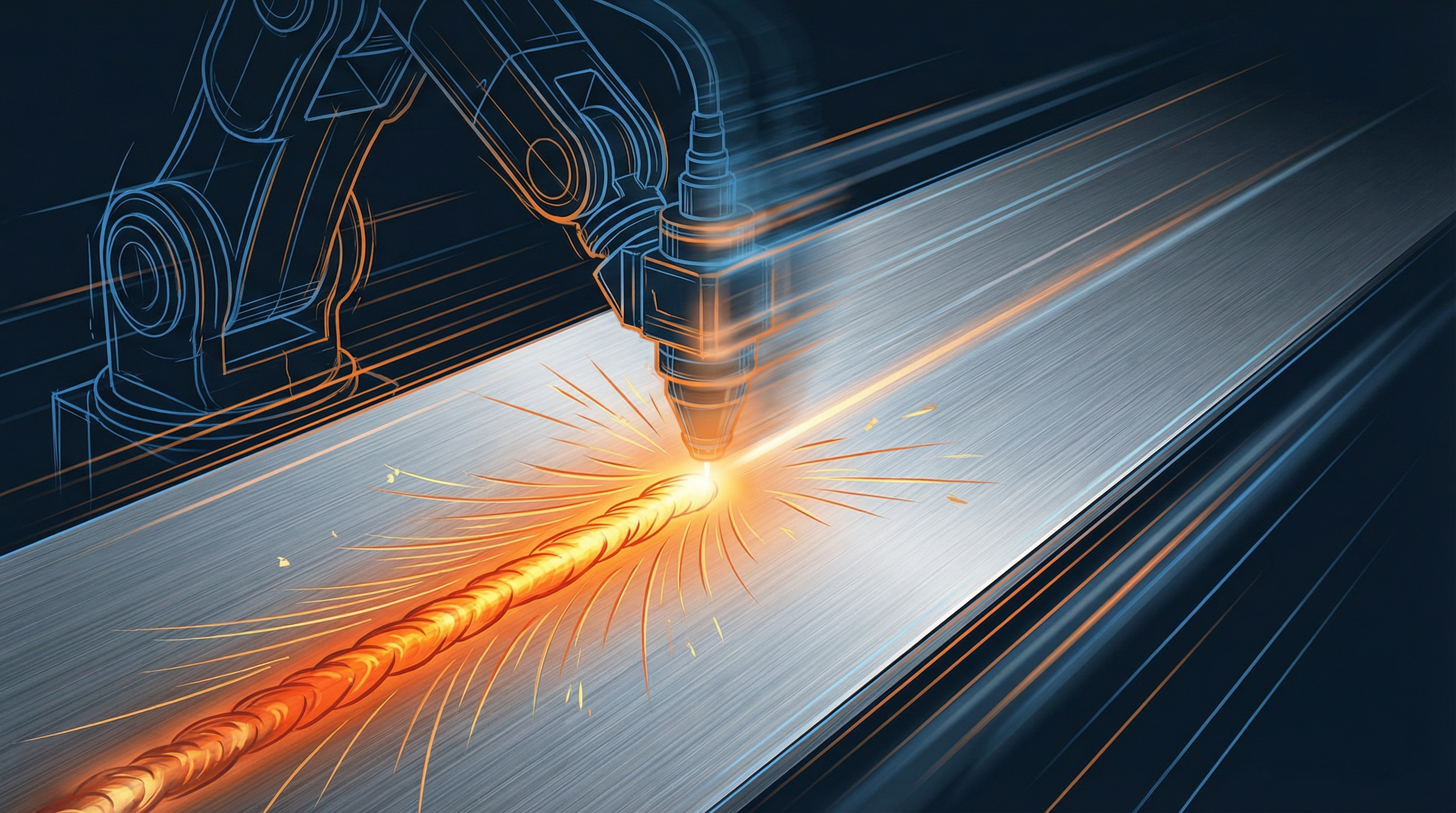
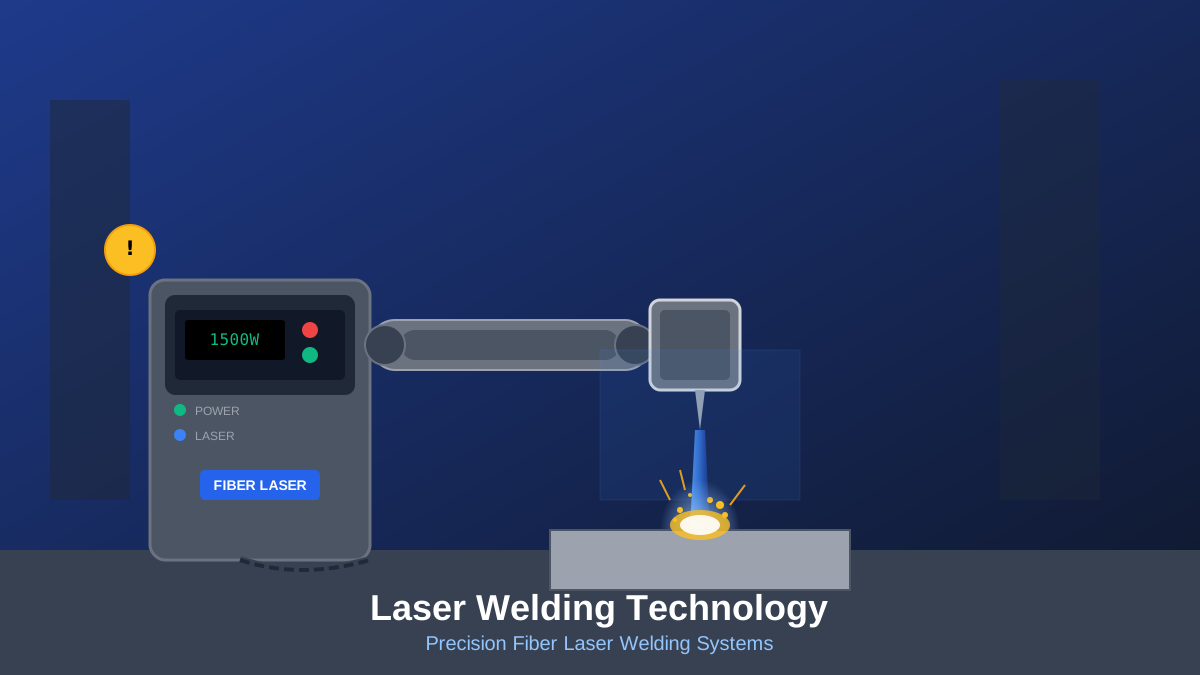
Laser welding uses a concentrated beam of light to melt and fuse metals together. Think of it as a precision scalpel versus a traditional welding torch’s butter knife.
The technology has been around for decades, but recent advancements in fiber laser technology have made it more accessible for mid-sized shops. We’re talking about speeds that make traditional methods look like they’re standing still.
Why Shops Are Switching to Laser:
- Speed that matters: 3-5 times faster than TIG on thin materials — that means more parts out the door each day
- Heat control: The heat-affected zone is tiny, so you don’t get warping on delicate parts
- Robotics-ready: If you’re thinking about automation, laser welders integrate seamlessly with robotic systems
- Clean results: Minimal spatter means less post-weld grinding and cleanup
Real talk: The upfront cost is significant, but shops doing high-volume precision work often see ROI within 12-18 months through labor savings and reduced rework.
TIG Welding: When Precision Is Non-Negotiable
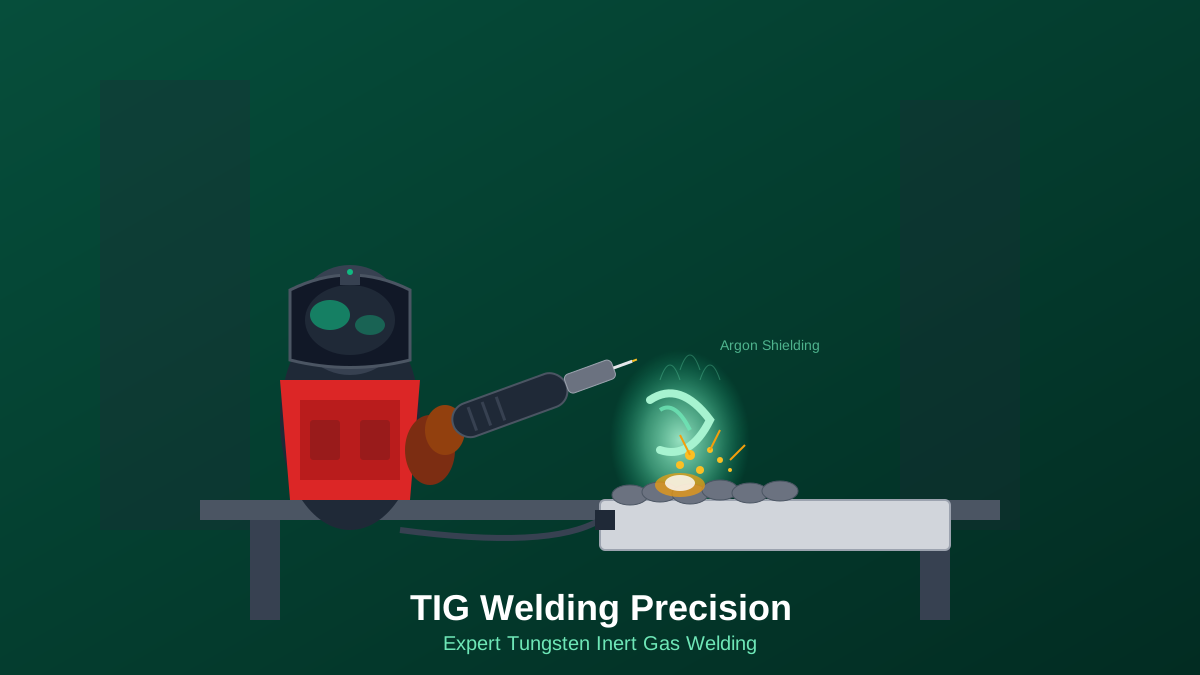
Tungsten Inert Gas (TIG) welding has been the gold standard for precision work since the 1940s. It uses a non-consumable tungsten electrode and argon shielding gas to create exceptionally clean, controlled welds.
If you’ve ever seen those Instagram-worthy stacks of dimes on titanium bike frames or aerospace components, that was TIG welding. It’s slow, it’s demanding, but when aesthetics and precision matter, nothing else compares.
Where TIG Still Wins:
- Visual perfection: The weld bead looks so good, customers pay extra for “exposed weld” designs
- Material flexibility: Works on virtually any metal — aluminum, titanium, magnesium, even exotic alloys
- Heat control: You can weld paper-thin materials without blowing through
- No filler needed: You can fuse metals together without adding filler material for the cleanest possible joint
The catch: It takes years to master. A skilled TIG welder is worth their weight in gold, and they’re getting harder to find.
MIG Welding: The Workhorse of Metal Fabrication
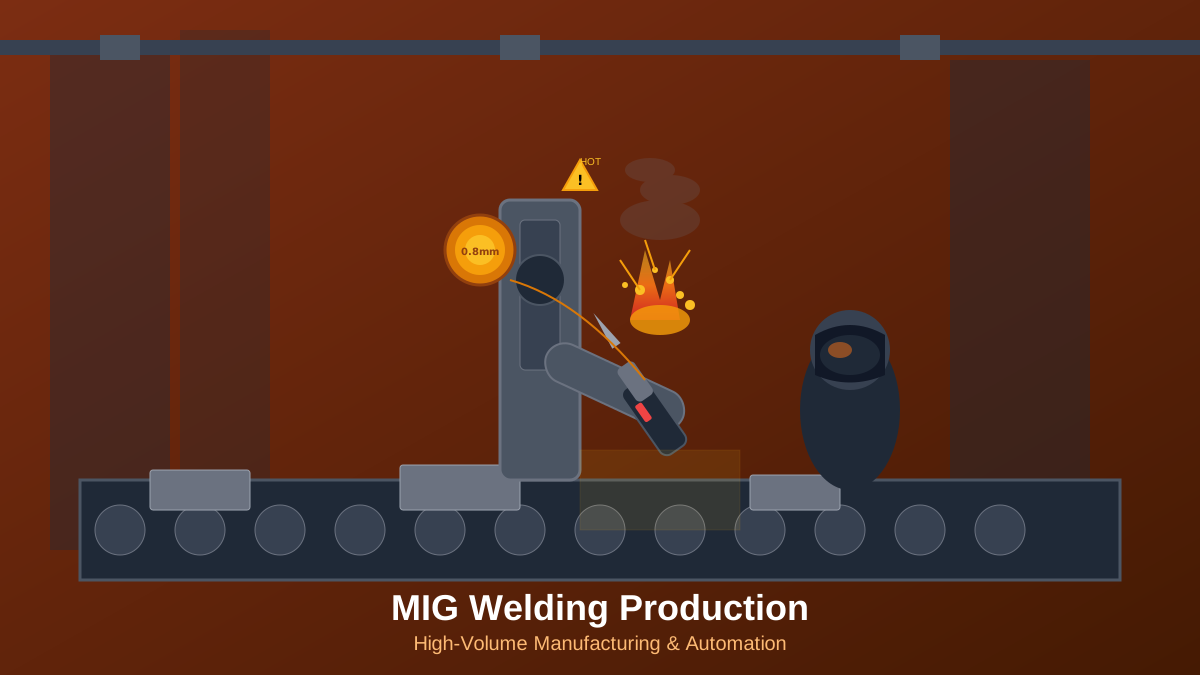
Metal Inert Gas (MIG) welding is what most people picture when they think of welding. It’s fast, it’s relatively easy to learn, and it gets the job done for a huge range of applications.
Wire feeds continuously from a spool through the gun, shielded by gas (usually a mix of argon and CO2). Pull the trigger, move your hand, and you’re laying down weld metal.
Why MIG Dominates General Fabrication:
- Fast deposition: You can lay down a lot of weld metal quickly on thicker materials
- Easy training: New operators can produce acceptable welds within days, not months
- Lower equipment cost: Entry-level MIG setups start around $500
- Productivity: Continuous welding without stopping to change electrodes
The trade-off: You’re sacrificing some precision and cleanliness for speed and ease of use.